Enabling Aging Adults to Prioritize Physical Activity Through Comprehensive Workout Protocols
Wiki Article
Remaining energetic is crucial for individuals of all ages, but it grows especially vital as individuals age. For seniors, consistent exercise helps sustaining independence, improves movement, and improves quality of life. Detailed fitness plans offer seniors with structured methods to physical health that address coordination, range of motion, strength, and resilience. By implementing carefully planned workout recommendations, elders can enhance their quality of life while lowering the risks of injuries, chronic diseases, and mental health challenges.
Exercise for seniors is not confined to intense training sessions or heavy fitness sessions. It focuses instead on low-impact, steady, and maintainable activity that fits individual fitness conditions. Exercises such as brisk walking, mobility work, chair yoga, and bodyweight exercises aid in preserving limberness and muscle tone. Heart-strengthening activities like water fitness or recumbent cycling improve circulation, which are vital for sustaining stamina and stamina. These types of exercise also promote cognitive wellness, as findings have shown that consistent activity can enhance recall, mood, and mental performance.
Holistic fitness recommendations highlight a integrated approach to wellness, addressing muscular, mental, and community aspects of health. Older adults are guided to start gradually and advance at a manageable speed, maintaining safety while preventing fatigue. Adding pre- and post-exercise stretches minimizes injury, while adequate water consumption and meal balance support physical activity. Additionally, community-based programs—such as senior workout groups or organized group walks—create opportunities for social interaction, encouragement, and emotional support, which are just as vital to overall health.
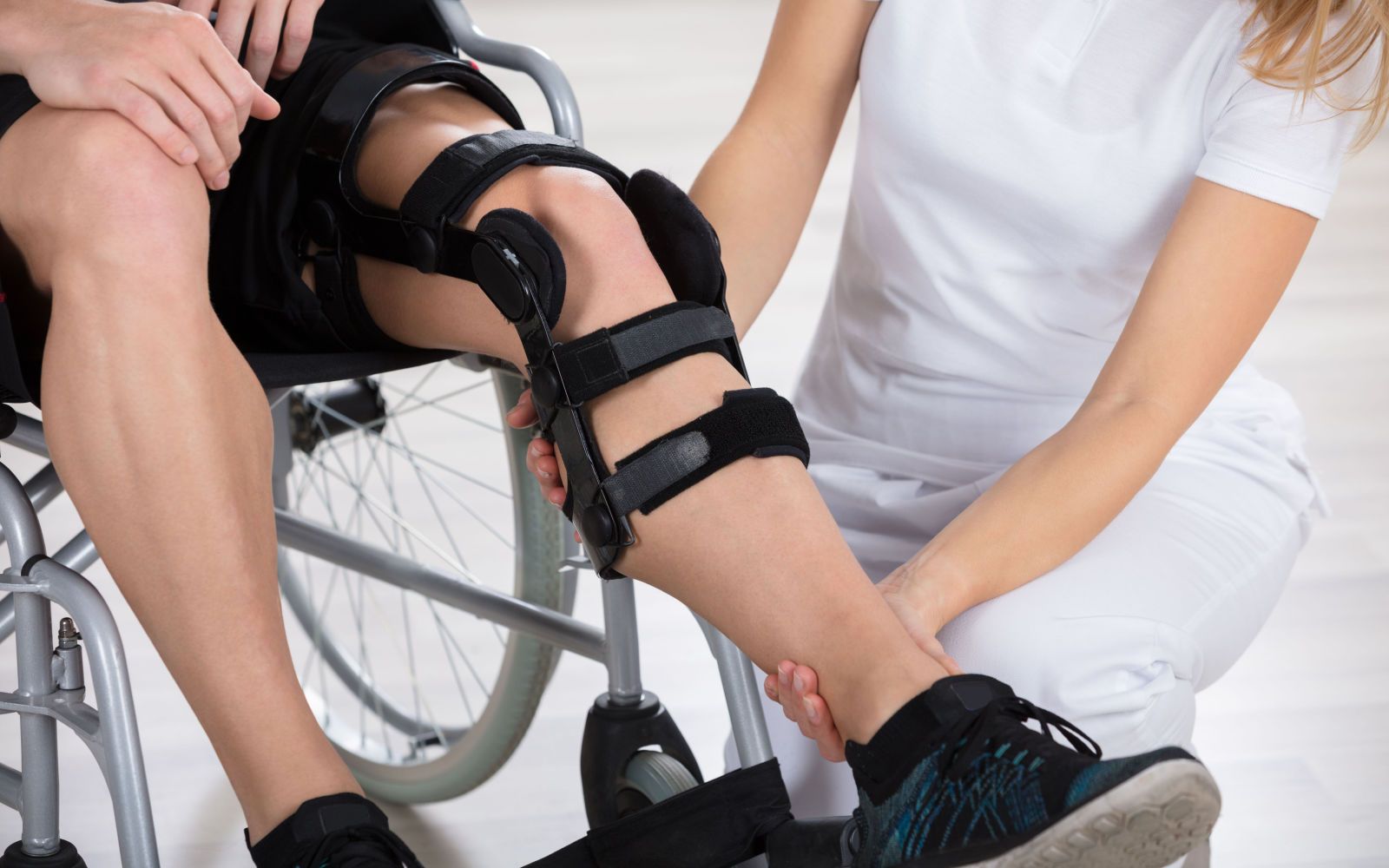
Professional guidance acts as a crucial role in assisting seniors build customized training schedules. Consulting medical professionals, rehabilitation specialists, or exercise professionals ensures that programs are adapted to specific requirements, fitness levels, and objectives. These professionals can suggest appropriate exercise formats that address factors such as arthritis, osteoporosis, or heart health concerns. Through consistent evaluation and adjustment, exercise plans blog link continue to be productive and enjoyable, encouraging lasting participation and achievement.
Overall, motivating elders to embrace fitness through comprehensive training recommendations creates a community of lifelong movement. When participants are supplied stretching routines post-injury with understanding, motivation, and structured support, they gain trust in their mobility and experience greater autonomy. Sustained fitness enhances not only physical strength but also mental clarity and emotional resilience. By promoting accessible, professionally structured exercise plans, societies can ensure that each older adult has the chance to lead a active, engaged, and meaningful journey.